Malaysian Onde-Onde
Onde-onde are chewy pandan glutinous rice balls filled with molten gula Melaka and rolled in salted grated coconut.
Jump to recipe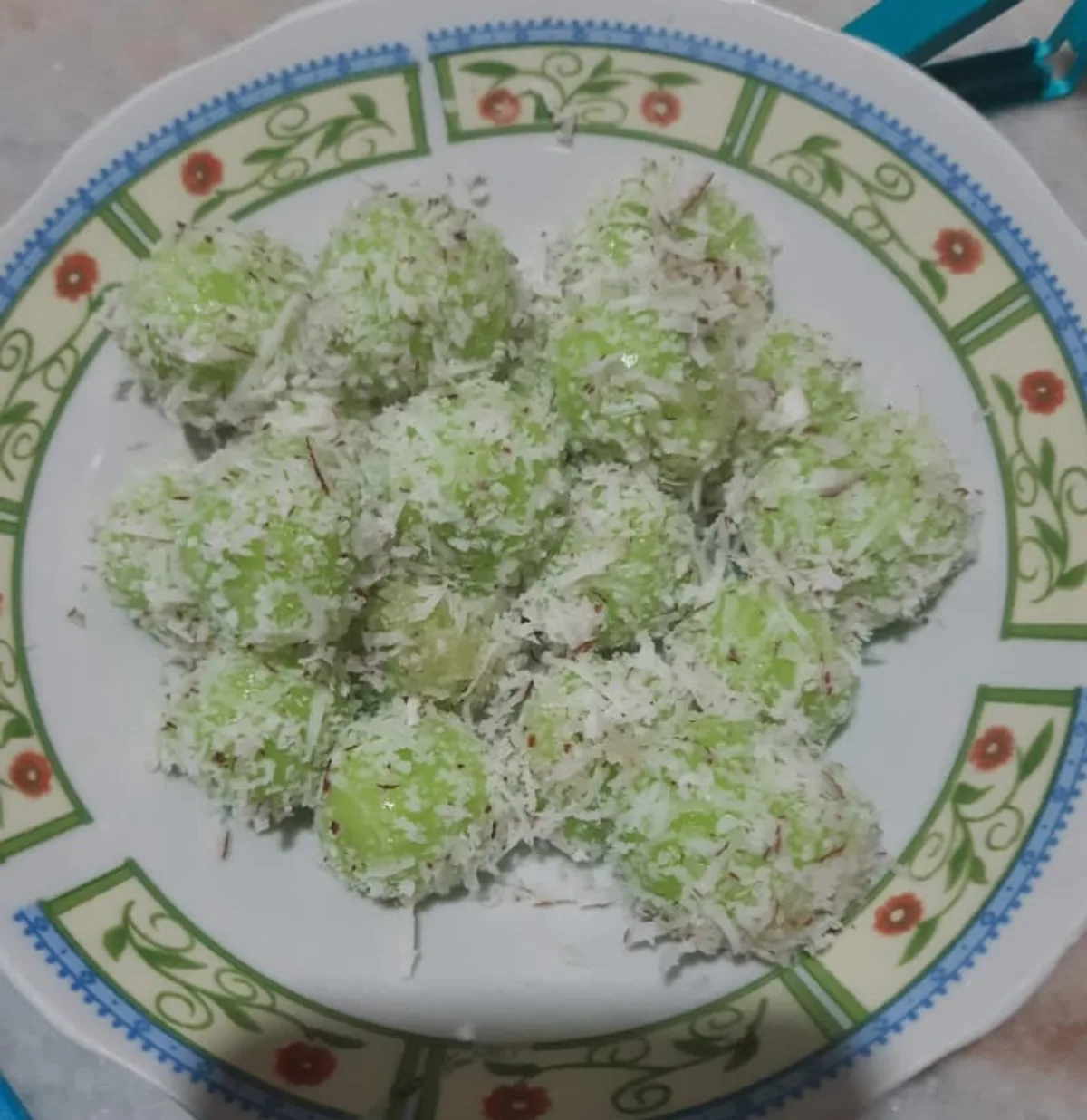
Prep Time
25min
Cook Time
15min
Total Time
40min
Servings
6
Calories
210
Nutrition Facts
Per serving · 6 servings per recipe
Scale Ingredients
Original recipe makes 6 servings.
Ingredients
Coconut coating:
- 2 cups (160g) fresh grated coconut, thawed if frozen
- 1/4 tsp fine salt
- 2 pandan leaves, knotted (optional)
Pandan dough:
- 6 pandan leaves, cut into 1-inch (2.5cm) pieces
- 3/4 cup (180ml) water
- 1 1/2 cups (180g) glutinous rice flour, plus more if needed
- 2 tbsp tapioca starch
- 1/4 tsp fine salt
- 1 tsp pandan extract, optional, for stronger color
Filling:
- 4 oz (115g) gula Melaka or dark palm sugar, finely chopped
Instructions
- Steam the coconut. Mix the grated coconut with salt and pandan leaves. Steam for 5 minutes, then discard the pandan leaves and spread the coconut on a plate. Steaming keeps it fresh longer and the salt stops the coating from tasting flat.
- Make pandan juice. Blend the pandan leaves with water until very green, then strain through a fine sieve or cloth. Press hard to get as much flavor out as possible. If the color is pale, stir in the pandan extract.
- Mix the dough. In a large bowl, combine glutinous rice flour, tapioca starch, and salt. Add the pandan juice a little at a time and knead until the dough feels soft, smooth, and slightly tacky, like play dough. If it cracks, add water 1 tsp at a time. If it slumps, dust in a little more glutinous rice flour.
- Portion the filling. Keep the chopped gula Melaka in small, dry pieces. Big chunks can tear the dough, while powdery sugar melts too fast and leaks before the onde-onde finish cooking.
- Shape the balls. Pinch off 1 tbsp dough, roll it smooth, then flatten it into a small cup. Add about 1/2 tsp gula Melaka, pinch the edges closed, and roll gently until sealed. Do not leave thin spots; thin dough bursts in the pot.
- Boil gently. Bring a medium pot of water to a steady simmer, not a violent boil. Drop in the onde-onde in batches and stir once so they do not stick to the bottom. When they float, cook for 2 more minutes so the palm sugar fully melts.
- Coat immediately. Lift the onde-onde out with a slotted spoon, let the excess water drip off for a few seconds, then roll them in the salted coconut while hot. The surface starch is sticky right after boiling, which helps the coconut cling.
- Serve warm. Let them cool for 5 minutes before eating. The center should be liquid and hot, so bite gently unless you enjoy surprise sugar lava.
Notes
Critical insight: The seal matters more than the shape. A slightly uneven onde-onde still tastes good. A badly sealed one dumps gula Melaka into the boiling water and becomes a sad green dumpling with trust issues.
Substitutions: Frozen grated coconut works well if you steam it first. If you cannot get fresh pandan leaves, use 3/4 cup (180ml) water plus 1 to 1 1/2 tsp pandan extract. Dark brown sugar works in an emergency, but gula Melaka gives the deep caramel flavor that makes onde-onde worth making.
Storage: Best eaten the day they are made, while the coconut is fresh and the centers are syrupy. Leftovers keep covered at room temperature for 6 hours or in the fridge for 1 day. Rewarm gently by steaming for 2-3 minutes; microwaving can make the dough tough.
Variations: Add a tiny pinch of salt directly to the gula Melaka for a salted caramel effect. For softer, more tender dough, replace 2 tbsp of the pandan juice with coconut milk. For smaller party-size onde-onde, use 2 tsp dough and 1/4 tsp filling per ball, then boil for 1 extra minute after they float.
Pairs with: Serve after Nyonya Pongteh Chicken or with a strong cup of kopi for a proper kuih break.
More like this
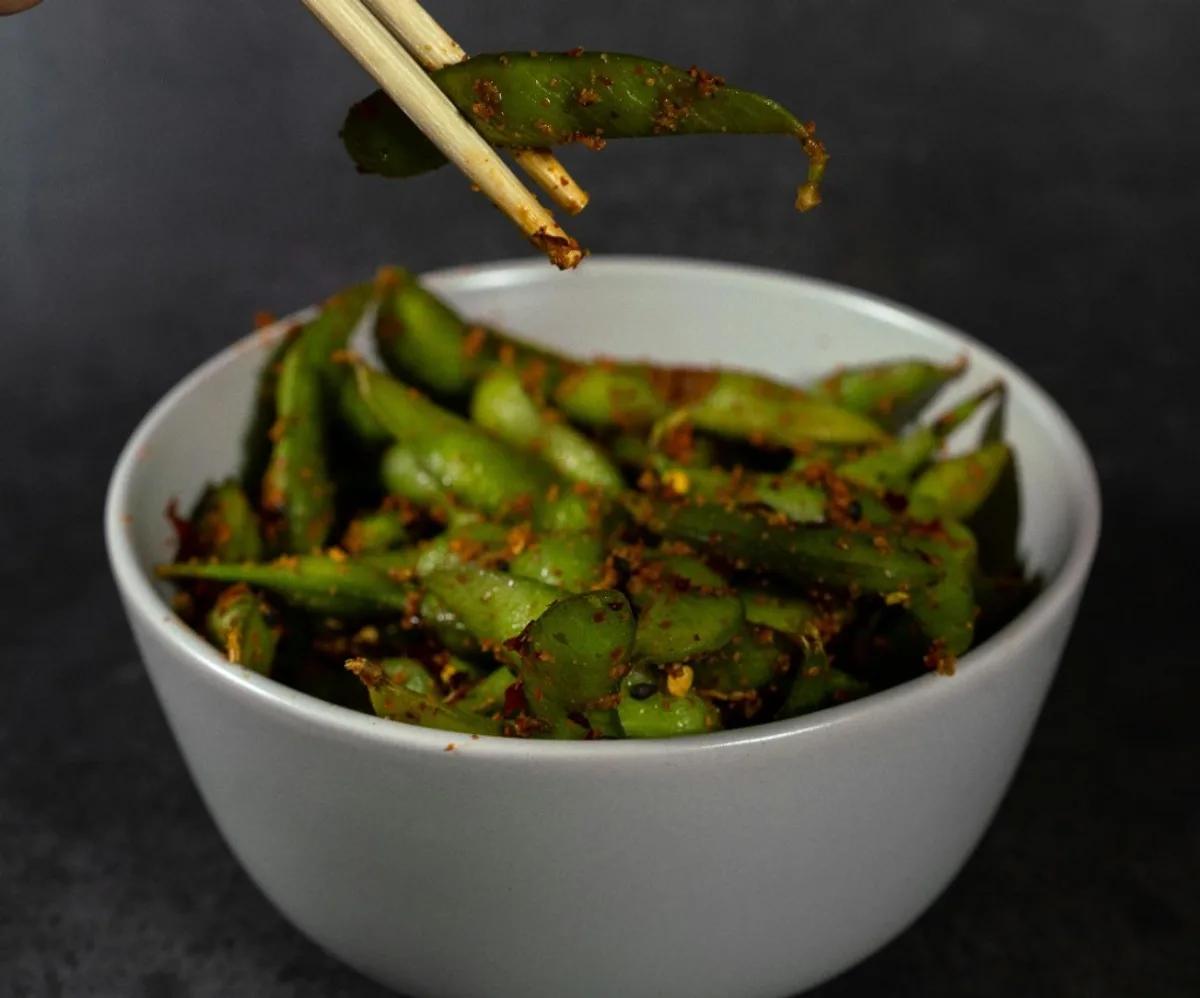
5-Minute Sesame Soy Edamame
Boil, toss in soy sauce and toasted sesame, eat straight from the bowl. Gone before you realise how many you've had.
Feels sensible, still tastes good
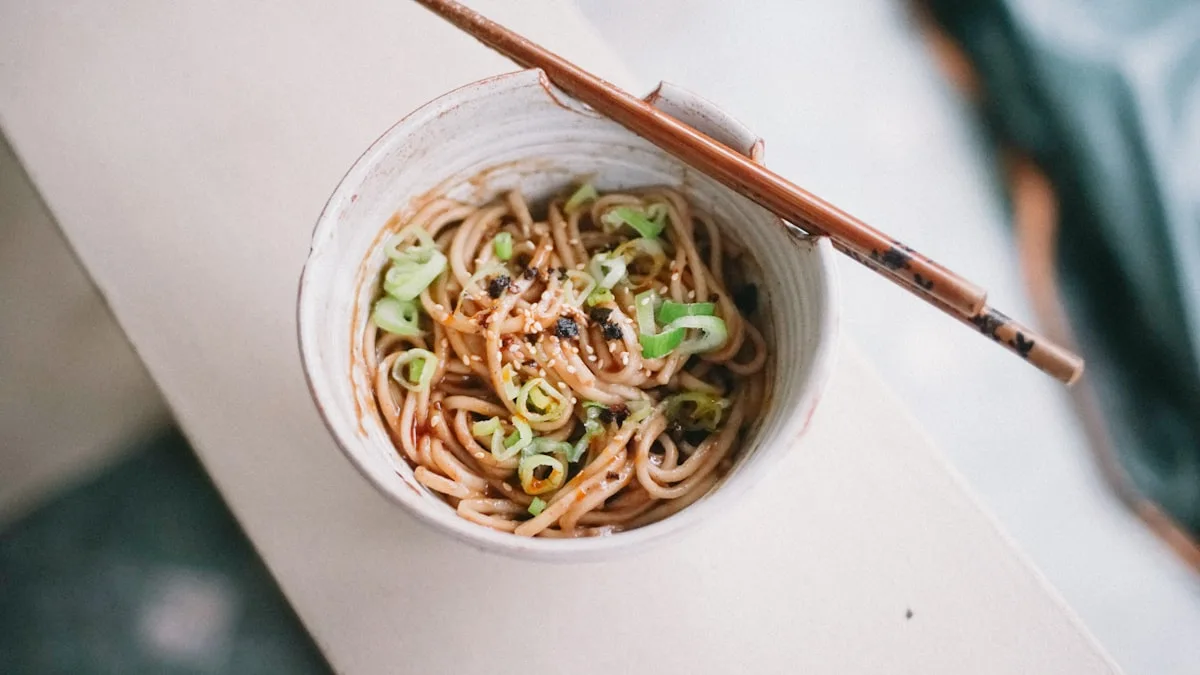
Spicy Peanut Noodles
Creamy peanut sauce clinging to every strand, with a good kick of chili. Serve it cold or hot. It works brilliantly either way.
Good for a tired Tuesday
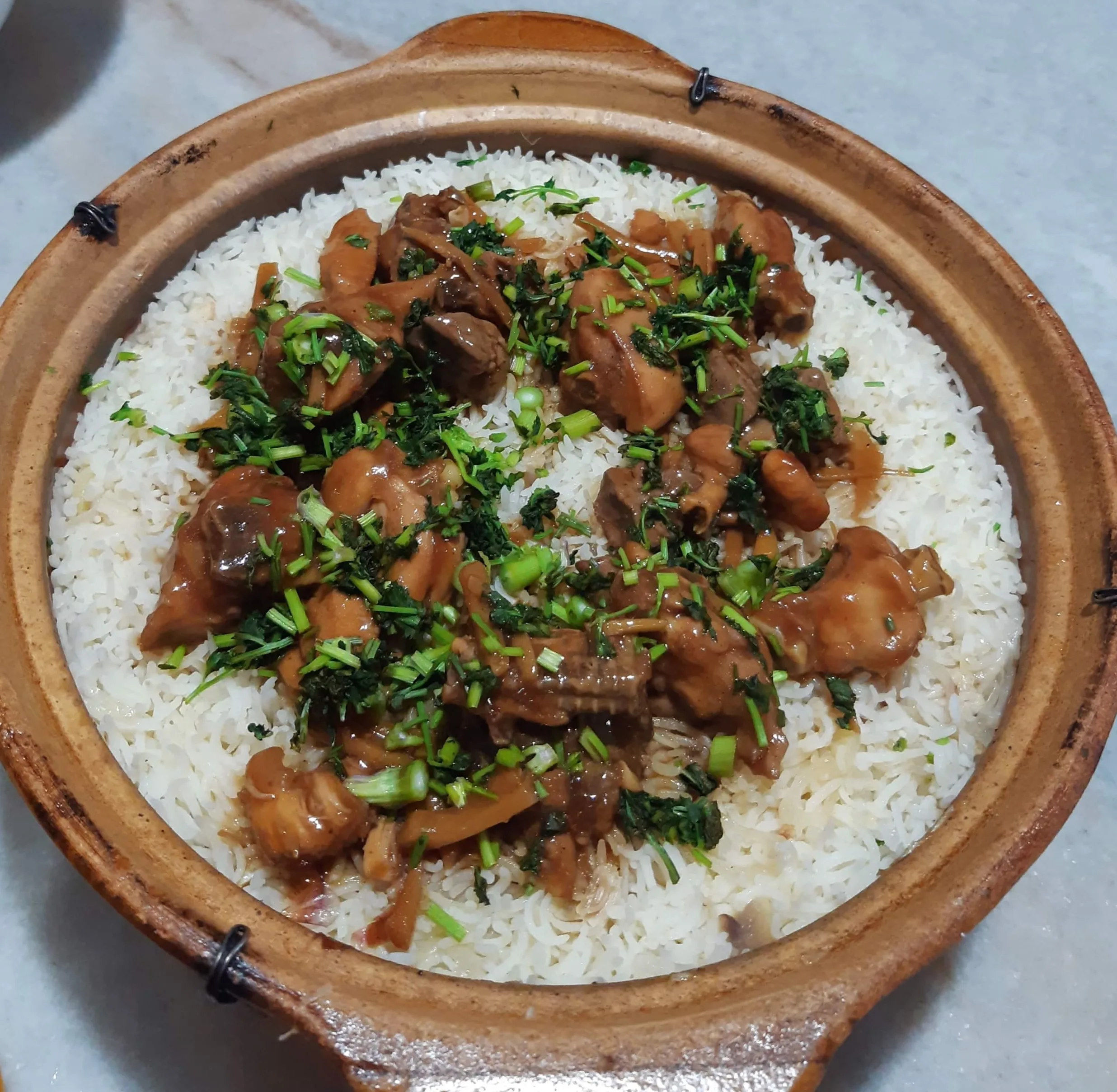
Claypot Chicken Rice
Malaysian-style claypot chicken rice with soy-oyster chicken, fluffy rice, fresh herbs, and a crisp smoky bottom.
The kind of recipe you reuse
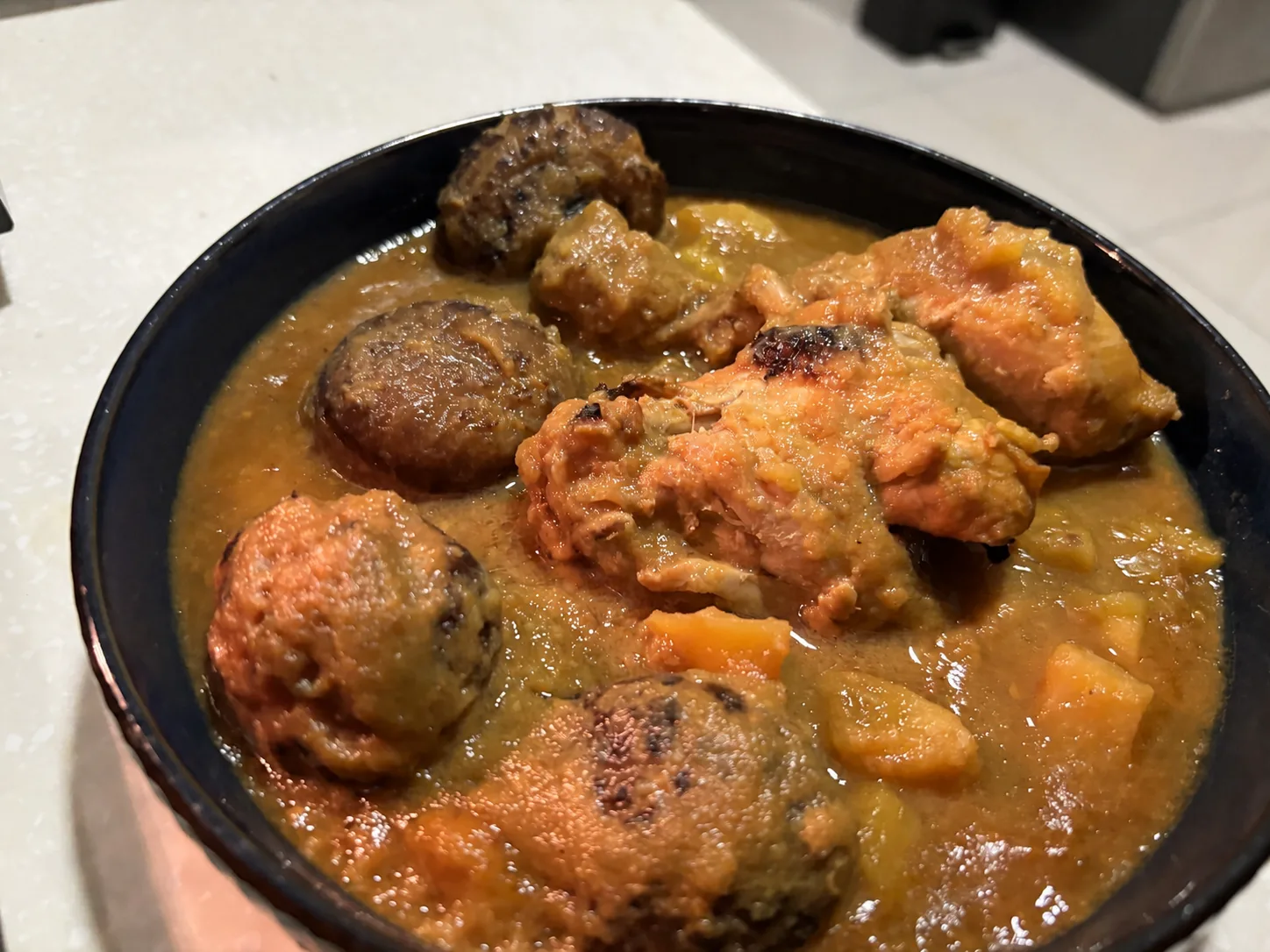
Nyonya Pongteh Chicken
A Peranakan chicken and potato stew with fermented soybean paste, gula Melaka, garlic, and shallots. Salty, sweet, deeply savory, and built for rice.
The kind of recipe you reuse